October 5, 2026
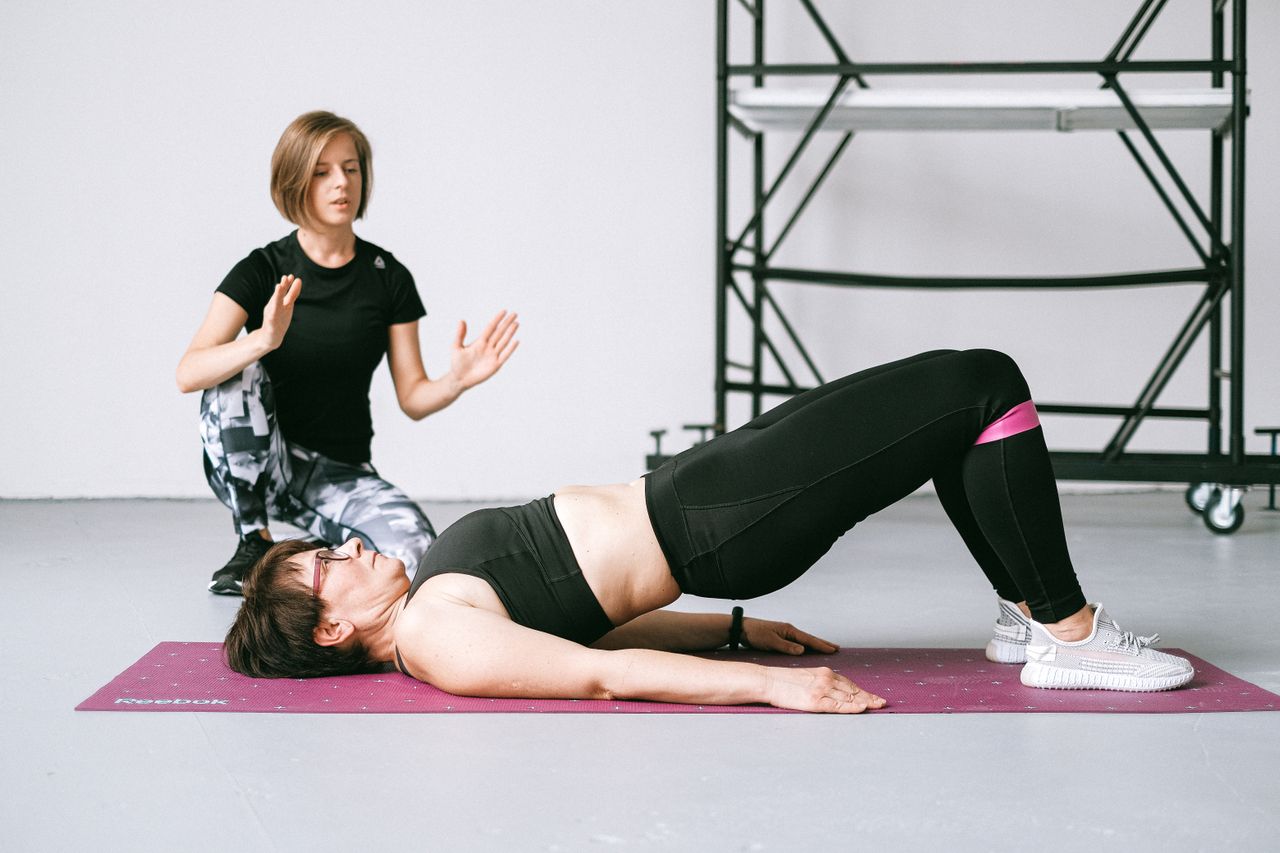
You've described the pain to more than one provider. Maybe you've had imaging done, maybe bloodwork, maybe both, and everything keeps coming back "normal." Meanwhile, the pain is still very real. At Integra Health in Toronto, this is one of the more common and more frustrating patterns we see with pelvic pain. It's not that nothing is wrong. It's that the source of the pain and the location of the pain aren't always the same place.
Your pelvis sits at a genuine crossroads. Your hips, your spine, and your pelvic floor all share nerves, muscles, and fascia in that region, which means pain generated in one area can easily be felt in another. Understanding that connection is often the missing piece in figuring out what's actually going on.
Referred pain happens when a structure sends pain signals along a nerve pathway that's shared with, or passes near, another area of your body. Your brain interprets the signal as coming from wherever that nerve typically reports from, not necessarily from where the irritation actually started.
In the pelvic region, this happens more than most people realize, because your hips, lower spine, and pelvic floor are so closely networked. A problem tucked away in your hip joint or your lower back can show up as pain you'd swear is coming from deep inside your pelvis. Read about when pain is a warning sign compared to training fatigue.
Several hip conditions are well known for mimicking or triggering pelvic and groin pain.
Your lower back and sacroiliac (SI) joints are directly connected to your pelvis, structurally and neurologically.
Sometimes the pelvic floor is genuinely involved, but not in the way people expect. Instead of being the original source, it can become tense and guarded as a protective response to pain coming from your hip or spine. That guarding then becomes its own source of discomfort, layered on top of whatever started the problem in the first place. Treating only the pelvic floor in that situation brings some relief, but rarely the full picture, because the underlying driver is still there.
If your pelvic floor is tense because your SI joint is irritated, pelvic floor relaxation techniques alone will only get you so far. If your hip flexor tendon is the real problem, general "pelvic pain" exercises that don't address it won't resolve much either. Treating the area where you feel the pain, without identifying where it's actually coming from, is one of the most common reasons pelvic pain sticks around despite plenty of well-intentioned treatment.
At Integra Health, assessing pelvic pain means looking well beyond the pelvis itself. A thorough evaluation typically includes:
Hip testing covers things like the Thomas test for hip flexor tightness, the FABER and Scour tests for the hip joint itself, and the FAIR test to check for piriformis involvement. Spinal and SI joint testing looks at how your lower back and the joint connecting your spine to your pelvis are functioning, often using Laslett's cluster of tests for the SI joint and straight leg raise or slump testing to check for nerve irritation.
Pelvic floor assessment, when appropriate and always guided by your comfort and consent, helps us understand whether your pelvic floor is a primary driver of your symptoms or a secondary response to something else going on nearby. And movement and posture screening pulls it all together, showing us how your hips, spine, and pelvis are actually working with each other, or against each other, throughout your day.
This is also a good moment for an important caveat: pelvic pain can occasionally point to something outside the musculoskeletal system entirely, including gynecological, urological, or gastrointestinal causes. If your pain comes with fever, unexplained bleeding, or significant changes in bladder or bowel function, please see your doctor alongside any physiotherapy care. We're glad to work as part of that bigger picture, not instead of it. Here are seven signs that you need to see a physiotherapist.
Once we've identified where your pain is really coming from, treatment is built around that source, not just the location where you feel it.
Whether your days involve long hours at a desk downtown, teaching spin classes, or training for your next race along the waterfront, your hips, spine, and pelvic floor are working together constantly, often without you noticing until something starts to hurt. Prolonged sitting, high-impact training, and repetitive one-sided movement patterns can all quietly set the stage for referred pelvic pain over time.
If you've been dealing with pelvic pain that hasn't fully made sense, especially if previous treatment addressed the pelvis directly without much change, it may be worth looking at the bigger picture. Your hips and spine could be playing a much larger role than anyone has connected for you yet.
The team at Integra Health in Toronto takes that whole-body approach seriously. Reach out to book an assessment, and let's figure out where your pain is actually coming from, not just where you feel it.


.svg)


.svg)


