June 30, 2026
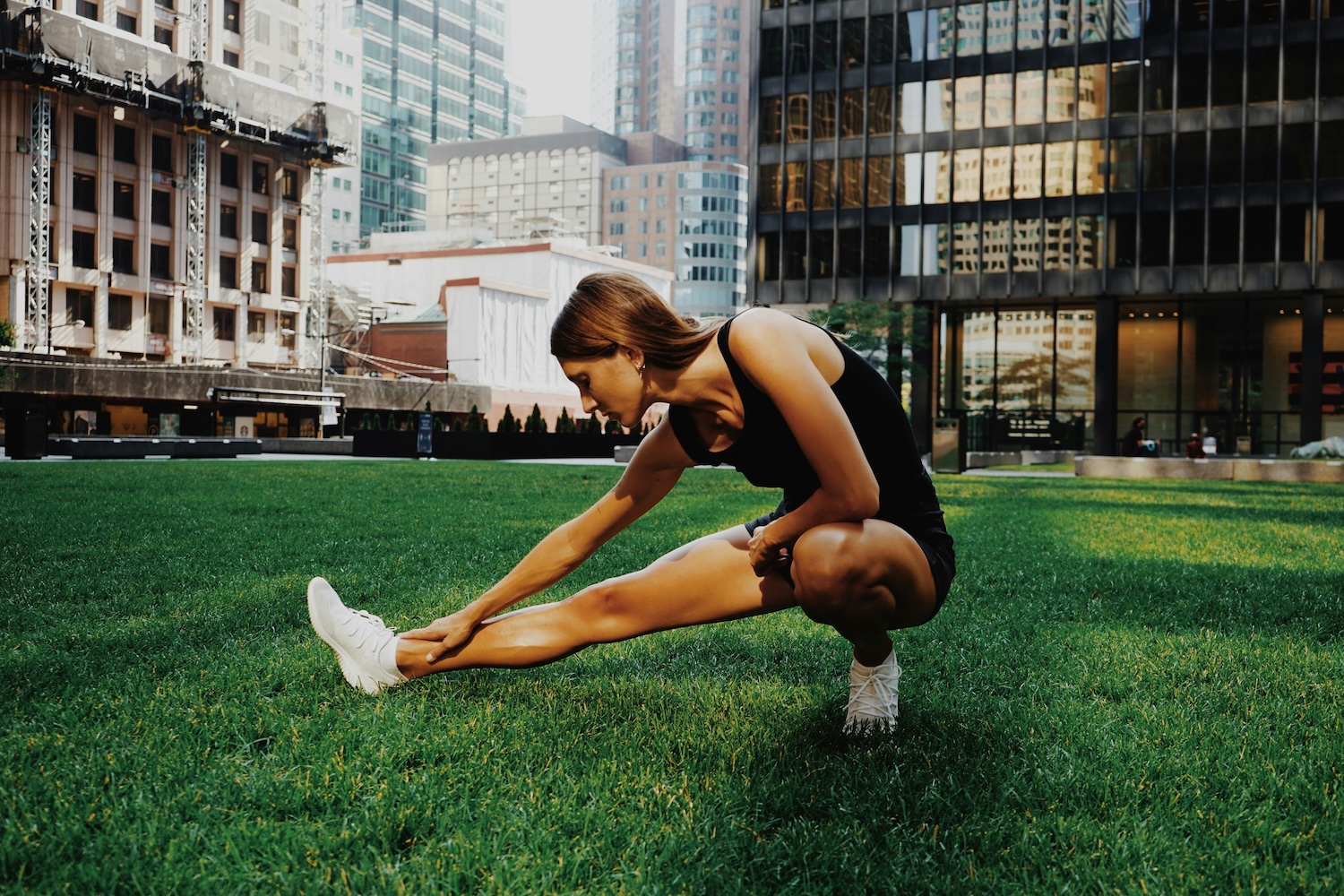
One quick push-off can be all it takes.
You’re chasing a ball during a tennis match, accelerating during a soccer game, or making a sudden move on the pickleball court when you feel a sharp pain in the back of your leg. Many people describe it as feeling like someone kicked them in the calf. Others report hearing or feeling a sudden pop.
This injury is commonly known as “tennis leg,” a type of calf strain that frequently affects recreational athletes. While it is often associated with tennis, it can occur in almost any sport that involves running, jumping, lunging, or rapid changes in direction.
At Integra Health in Toronto, calf strains are a common complaint among active adults who want to stay involved in sports, fitness, and recreational activities. The good news is that with proper treatment and rehabilitation, most people recover well and return to their activities safely.
Many calf injuries occur in people who are active but not necessarily training consistently.
It’s a familiar pattern. A busy work week leaves little time for exercise, followed by an intense weekend tennis match, soccer game, long run, or pickleball tournament. The body is suddenly asked to perform explosive movements without adequate preparation.
As we age, this becomes even more important. Muscles naturally lose some elasticity and recovery capacity over time, making them less tolerant of sudden increases in physical demand. That doesn’t mean you need to stop participating in sports. It simply means that preparation, conditioning, and recovery become increasingly important.
Sports that commonly contribute to calf strains include:
These activities all place significant stress on the calf muscles because they require quick acceleration, deceleration, jumping, and rapid changes in direction.
The calf is made up of several muscles, but the gastrocnemius muscle is most commonly involved in tennis leg injuries. This muscle crosses both the knee and ankle joints, making it particularly vulnerable during explosive movements. When the force placed on the muscle exceeds what it can tolerate, small or larger tears can occur within the muscle fibers.
The result is often immediate pain that causes an athlete to stop activity right away. Depending on the severity of the injury, symptoms may include:
Some people experience only mild discomfort, while others find it difficult to walk normally for several days.
One of the biggest frustrations with calf strains is their tendency to come back. Many athletes return to activity once the pain begins to improve, assuming the injury has fully healed. Unfortunately, pain reduction does not always mean the muscle has regained its strength, endurance, and ability to tolerate high-speed movements.
The calf plays an important role in absorbing and generating force during running and sport. Even small deficits in strength can increase the risk of re-injury.
Several foundational factors can contribute to recurring calf problems:
This is why simply resting until symptoms settle is often not enough. A structured rehabilitation program helps restore the qualities the muscle needs to perform safely under real-world sporting demands.
Effective calf strain treatment involves much more than resting and waiting for the injury to improve. A physiotherapy assessment helps identify the severity of the injury and any contributing factors that may have led to it. This often includes evaluating strength, flexibility, ankle mobility, balance, walking mechanics, and sport-specific movement patterns.
Early treatment focuses on managing pain, protecting healing tissues, and maintaining mobility where appropriate.
As symptoms improve, rehabilitation gradually shifts toward rebuilding strength and restoring function. Progressive strengthening is one of the most important components of recovery. The calf must be able to tolerate the demands of running, jumping, and directional changes before a full return to sport is considered safe.
As rehabilitation progresses, exercises become increasingly specific to the activities the individual wants to return to. This may include running drills, hopping exercises, agility training, and sport-specific movements that prepare the calf for real game situations. The goal is not simply to eliminate pain. The goal is to restore confidence, performance, and resilience while reducing the likelihood of future injury.
While no injury can be prevented entirely, there are several strategies that can significantly reduce your risk of developing a calf strain.
Not every calf injury requires extensive treatment, but certain symptoms should not be ignored. If pain is limiting your ability to walk, exercise, or participate in sports, an assessment can help determine the extent of the injury and the best path forward.
You should also consider physiotherapy if:
Early intervention often leads to a smoother recovery and can help prevent compensatory movement patterns that create additional problems elsewhere in the body.
For many people, recreational sports are about much more than fitness. They provide enjoyment, social connection, stress relief, and a sense of accomplishment. A calf strain can temporarily interrupt those activities, but it does not have to become a recurring problem.
With appropriate rehabilitation, progressive strengthening, and a thoughtful return-to-sport plan, most people can recover successfully and return to the activities they enjoy with confidence.
At Integra Health in Toronto, we help runners, tennis players, pickleball athletes, soccer players, and active adults recover from calf injuries and build the strength needed to stay active long term.
If you’re dealing with calf pain, recovering from a recent strain, or looking to reduce your risk of future injuries, the team at Integra Health is here to help. Through personalized assessment, evidence-based treatment, and sport-specific rehabilitation, we can help you return to activity safely and confidently.


.svg)


.svg)


